Notes Atlas/Melon
Fruity · 284 fragrances
Melon.
284
Fragrances
1948
Earliest use in catalog
top
Typical position · 74%
Fruity
Reads as
Melon's sweet, juicy presence in perfumery brings a vibrant freshness that contrasts and complements the richness of its most frequent companions, creating compositions that are both playful and sophisticated.
Profile
What it reads as.
Share of melon-bearing fragrances carrying each accord.
The Story
Melon in perfumery.
Melon, with its ripe, sugary aroma, is often used to evoke summer days and sun-ripened fruits. While melons in perfumery can be derived from natural essences or created synthetically, they share a common characteristic of being light and fruity, adding a burst of freshness that is both inviting and cheerful.
In compositions, melon typically occupies the top notes, providing an initial impact that is bright and uplifting. Perfumers often pair it with musk for warmth, jasmine for floral complexity, amber for depth, sandalwood for earthiness, rose for sweetness, and bergamot for a citrusy freshness. This combination results in fragrances that are multi-layered, balancing fruity vibrancy with more traditional perfume notes.
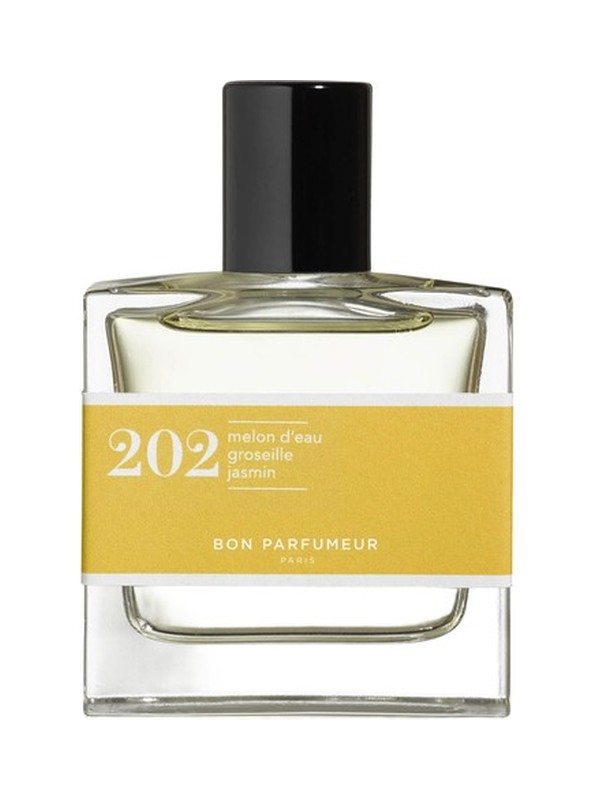
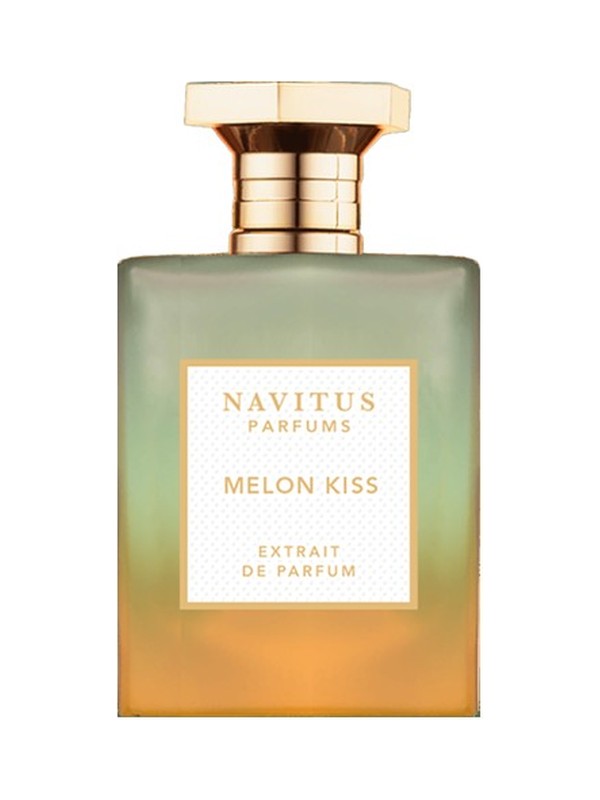
Today, melon can be found in notable compositions like Bon Parfumeur's 202 watermelon, redcurrant, jasmine (2017), which captures the essence of summer fruits; Navitus Parfums' Melon Kiss (2024) offers a modern take on fruity scents; and Chanel's Bleu de Chanel Eau de Parfum (2014), where it adds an unexpected freshness to its aquatic profile. These fragrances highlight melon's versatility, from playful and fruity to more sophisticated and layered.