Notes Atlas/Oud
Infected agarwood resin · Dark, Animalic · 537 fragrances
Oud.
537
Fragrances
2009
Earliest use in catalog
base
Typical position · 75%
Oud
Reads as
In the heart of luxury perfumery, oud reigns supreme, its smoky, resinous presence a cornerstone for modern olfactory explorations.
Woody · Notes Atlas
Profile
What it reads as.
Share of oud-bearing fragrances carrying each accord.
Family
Pairs with.
Synthetic stand-in
Oud accord blends
The Story
Oud in perfumery.
Oud, derived from the agarwood tree, is a complex note that evokes rich, woody aromas with hints of smoke and incense. Its origin lies in Southeast Asia, where it has been revered for centuries not only for its fragrance but also for its spiritual significance.
In perfumery, oud often occupies the heart or base notes, providing depth and warmth to a composition. It frequently pairs well with patchouli, amber, musk, saffron, vanilla, and rose, creating a warm, spicy, woody, and ambery profile that resonates deeply.
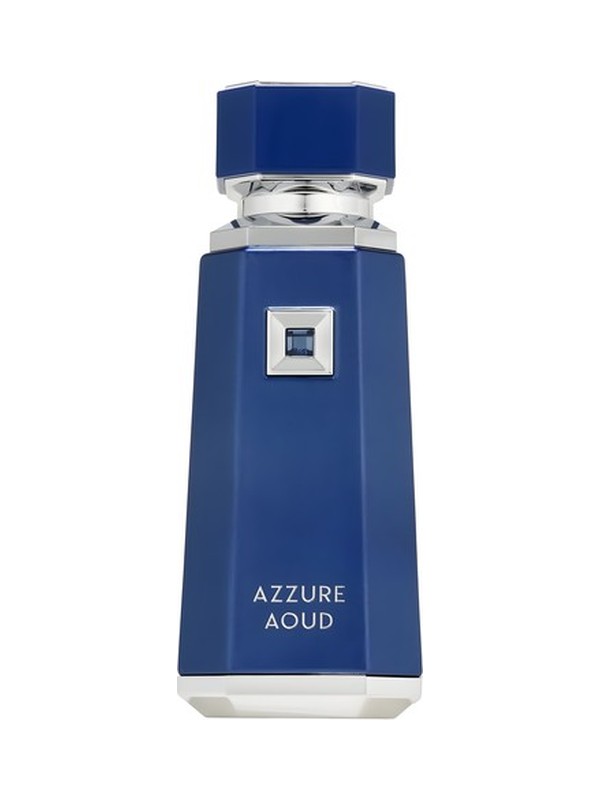
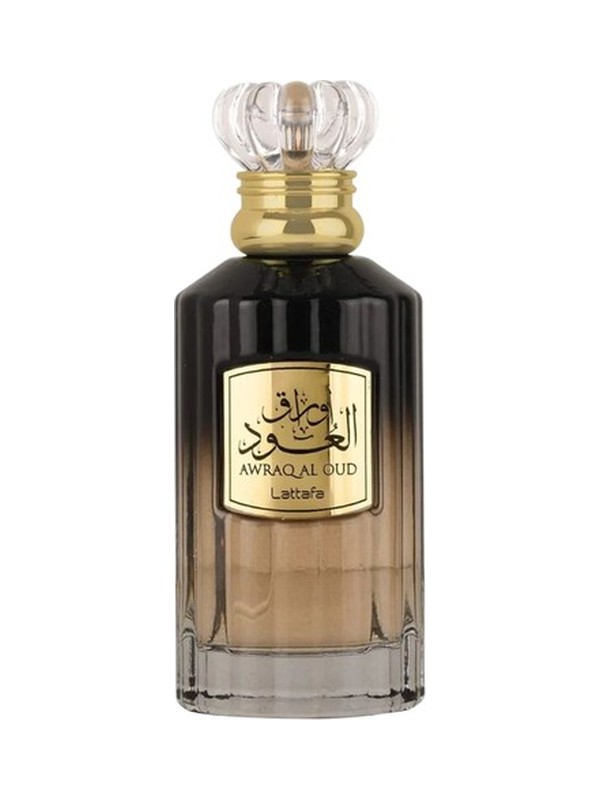
Today, oud can be found in notable fragrances like Azzure Oud by French Avenue and Shams Oud by Memo Paris. These compositions highlight the versatility of oud, blending it seamlessly with other rich materials to create an enveloping warmth that defines contemporary luxury.
The Story
How it behaves in a bottle.
Oud dominates the base, sometimes appearing in the heart. It's heavy and persistent, lasting 8+ hours on skin.
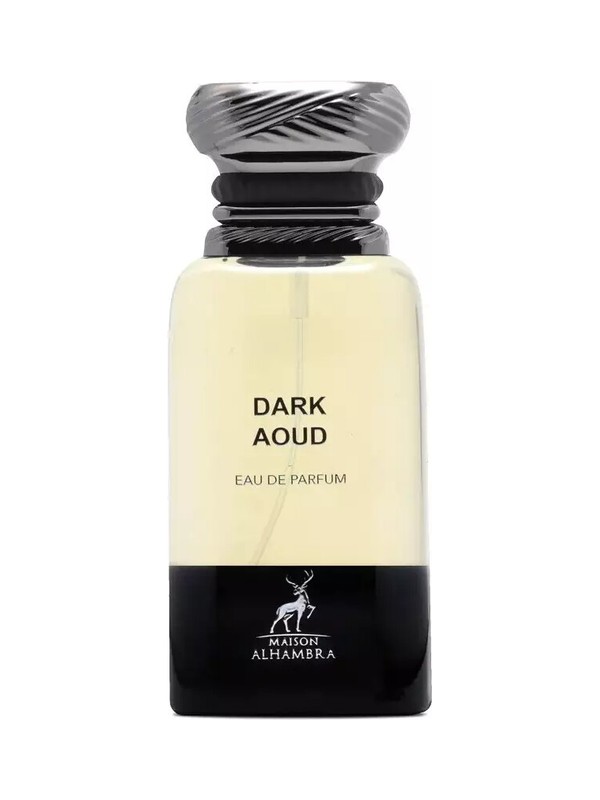
Creates bold, animalic statements (Tom Ford Oud Wood, Montale Black Aoud)
Oud adds weight, darkness, and an animalic edge. It can overpower lighter notes if not carefully balanced, but when done well, it creates unforgettable depth.