The Art of Fragrance
Every fragrance tells a story — in layers, in harmonies, and in the quiet moments between the first spray and the final trace. This guide walks you through the language of perfumery, from the opening notes to the families that define them.
The Note Pyramid
Every fragrance unfolds in three acts.
The opening — bright and immediate — gives way to a richer heart, which eventually settles into a deep, lingering foundation. This is the note pyramid: the architecture of every scent you've ever worn.

Top Notes
Opening · 15–30 minutes
The first spray is a burst of energy — bright citrus, crisp fruit, aromatic herbs. These are the notes that greet you, and they're designed to captivate. They're also the most fleeting, fading within the first half hour as the fragrance settles.
Heart Notes
The Soul · 30 min to hours
As the opening fades, the true character emerges. The heart is where a fragrance lives — florals that bloom, spices that warm, greens that ground. This is what you'll smell for most of the day, and it's usually where a fragrance earns your loyalty.
Base Notes
Foundation · Hours to days
Hours later, what remains is the foundation. Deep woods, warm resins, soft musks — these are the notes that linger on your skin, in your clothes, on the pillow. They're quiet but essential. A fragrance without a good base is like a story without an ending.







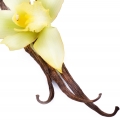
But individual notes are just the beginning. The magic happens when they combine.
Understanding Accords
A single note is a sound. An accord is a chord.
In music, a chord is three or more notes played together to create something none of them could produce alone. Perfumery works the same way. When a perfumer combines bergamot, lavender, and oakmoss, the result isn't a "citrus-herbal-earthy" fragrance — it's a Fougère, one of the oldest and most recognizable accord families in perfumery. The whole becomes something entirely new.

The Major Accords
Woody
"Warm, grounding, textural"
Floral
"Romantic, lush, expressive"
Citrus
"Bright, energizing, clean"
Amber / Oriental
"Rich, warm, enveloping"
Gourmand
"Sweet, comforting, edible"
Aquatic
"Clean, refreshing, airy"
Spicy
"Warm, stimulating, complex"
Green
"Fresh, natural, crisp"
Leather
"Bold, smoky, assertive"
Powdery
"Soft, intimate, elegant"
When certain accords dominate a fragrance, they begin to define its identity — its family.
Fragrance Families
Families are how the fragrance world organizes itself.
Just as wine has its regions and varietals, fragrance has families — broad categories defined by the dominant accords in a composition. Knowing which families you're drawn to is the single most useful thing for finding fragrances you'll love. If you like Bleu de Chanel, you're drawn to aromatic-woody fragrances — and there are hundreds of others in that space worth exploring.

Fresh
Clean, invigorating, and effortless. Fresh fragrances are built on citrus, aquatic, and green notes. They're the fragrances you reach for on warm mornings and sunny weekends.

Floral
The heart of perfumery. Floral fragrances range from single-flower soliflores to complex bouquets. They can be romantic and demure or bold and intoxicating.

Woody
Grounded, sophisticated, and timeless. Woody fragrances evoke forests, campfires, and quiet confidence. They tend to be versatile and long-lasting.

Oriental / Amber
Warm, sensual, and mysterious. Oriental fragrances wrap you in amber, vanilla, and exotic spices. Perfect for cooler weather and evening occasions.

Gourmand
Deliciously wearable. Gourmand fragrances feature edible notes like vanilla, chocolate, coffee, and caramel. They're comforting, cozy, and utterly addictive.
Now that you know what you're smelling, there's one more thing worth understanding — what you're buying.
Understanding Concentrations
That small print on the bottle? It matters more than you think.
The difference between an Eau de Toilette and an Eau de Parfum isn't just marketing — it determines how your fragrance performs, evolves, and lasts throughout the day. An Eau de Parfum at 15-20% concentration isn't just a stronger version of an Eau de Toilette. The higher oil concentration changes the balance of the composition. Notes that were fleeting in the EDT become prominent in the EDP. Base notes get richer. The dry-down gets longer. It's not more of the same — it's a different experience.
The Concentration Scale
When to Choose EDT
- Warm climates and summer days
- Office and daytime wear
- Casual, everyday occasions
- When you want to stay subtle
- Oilier skin types (holds scent longer)
When to Choose EDP
- Cool climates and winter wear
- Evening and special occasions
- When you want to project
- Drier skin types (needs more concentration)
- When longevity is a priority