Notes Atlas/Carnation
Floral · 658 fragrances
Carnation.
658
Fragrances
1901
Earliest use in catalog
heart
Typical position · 88%
Floral
Reads as
Carnation, a floral note that whispers of old-world gardens and modern sophistication, remains an enduring staple in perfumery, bridging classic compositions with contemporary creations.
Profile
What it reads as.
Share of carnation-bearing fragrances carrying each accord.

The Story
Carnation in perfumery.
Carnation, derived from the Dianthus caryophyllus flower, carries a sweet yet slightly spicy aroma reminiscent of clove and honey. Its scent is both delicate and persistent, making it a versatile component in fragrance formulations. The carnation’s natural oils are complex, blending floral sweetness with a subtle green note that adds depth to its character.
In perfumery, carnation often occupies the heart of compositions, providing a warm, powdery backdrop against which other notes can shine. It is frequently paired with jasmine and rose for added floral complexity, musk for an enveloping warmth, and woody accords like sandalwood to create depth. These combinations highlight its ability to enhance both aromatic and spicy elements in a fragrance.
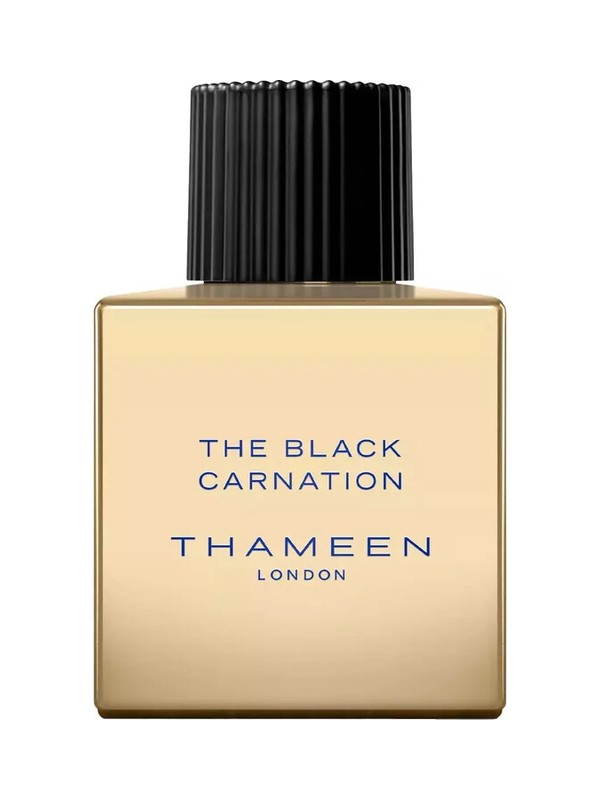
Today, carnation can be found in notable fragrances such as Garofano by Santa Maria Novella, a classic that captures the essence of this flower, and The Black Carnation by Thameen, which modernizes the note with contemporary accords. Other popular scents like Fahrenheit by Dior and Boss Bottled by Hugo Boss also feature carnation, showcasing its versatility across different fragrance profiles.