Notes Atlas/Civet
Animalic · 263 fragrances
Civet.
263
Fragrances
1908
Earliest use in catalog
base
Typical position · 92%
Animalic
Reads as
Civet, an essence drawn from the scent glands of a small Asian mammal, has long anchored perfumery's animalic notes, infusing compositions with its distinct musky warmth.
Profile
What it reads as.
Share of civet-bearing fragrances carrying each accord.
The Story
Civet in perfumery.
Civet is derived from the secretion of civet cats native to Southeast Asia. This raw material carries a pungent aroma that can be described as an intense mix of sweetness and earthiness, reminiscent of honeyed leather or ripe fruit underpinned by animalic notes. Once extracted and refined, it takes on a more nuanced character, often evoking the complex richness found in fine leathers.
In perfumery, civet is typically used sparingly as a base note to add depth and warmth. Its animalic quality makes it a powerful ingredient for creating musky and powdery compositions, often paired with notes like jasmine, musk, bergamot, sandalwood, rose, and patchouli. These combinations enhance its inherent richness, grounding the scent profile in an earthy yet luxurious way.
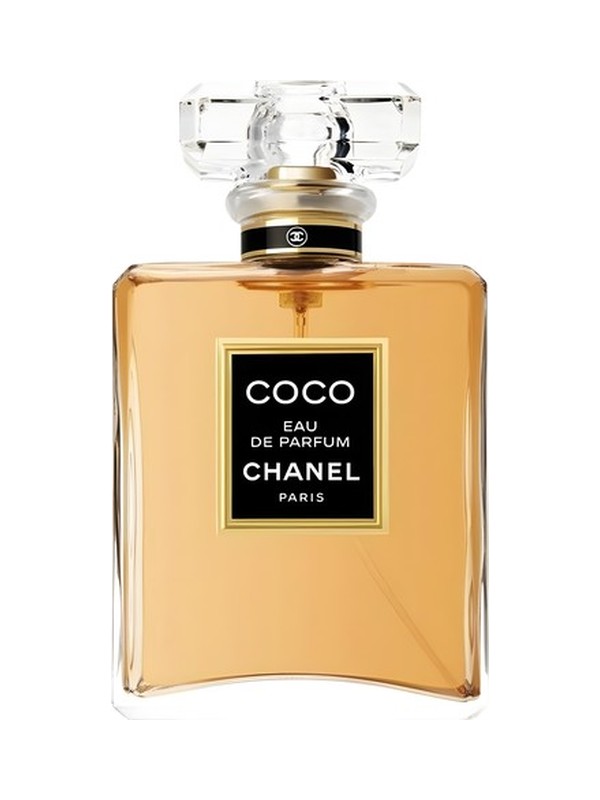
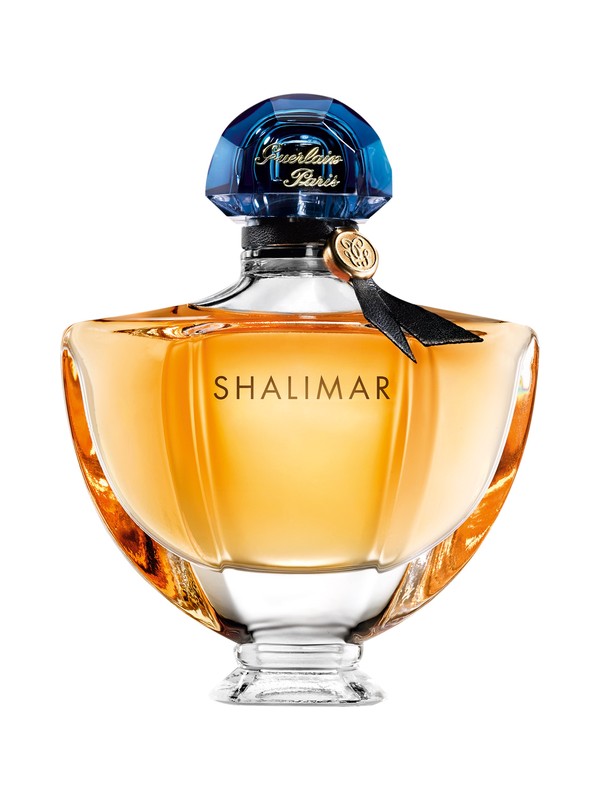
Today, civet can be found in notable fragrances such as Chanel's Coco Eau de Parfum, Guerlain’s Shalimar Eau de Parfum, and By Kilian’s Love Don’t Be Shy. These compositions exemplify how the note continues to play a vital role in modern perfumery, contributing to the woody, powdery, and musky character of their respective scents.