Notes Atlas/Orange
Citrus · 1,242 fragrances
Orange.
1,242
Fragrances
1910
Earliest use in catalog
top
Typical position · 93%
Citrus
Reads as
Beneath the zest and zing of citrus, orange reveals a complex character that perfumers have harnessed for over a century to add depth and warmth to their compositions.
Profile
What it reads as.
Share of orange-bearing fragrances carrying each accord.
Where to wear it
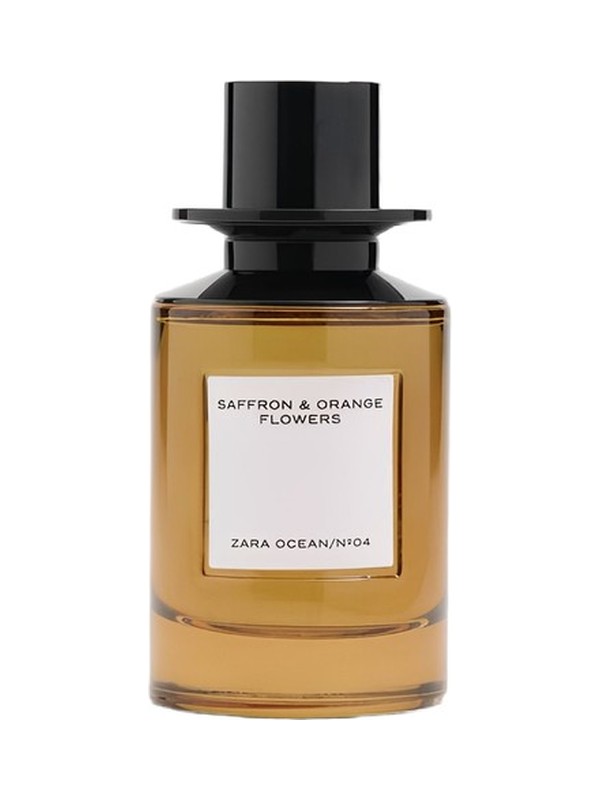
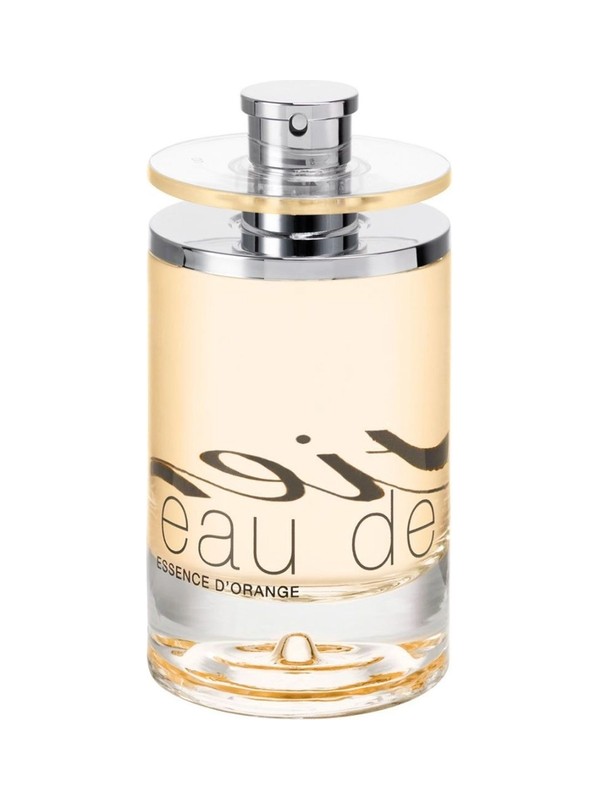
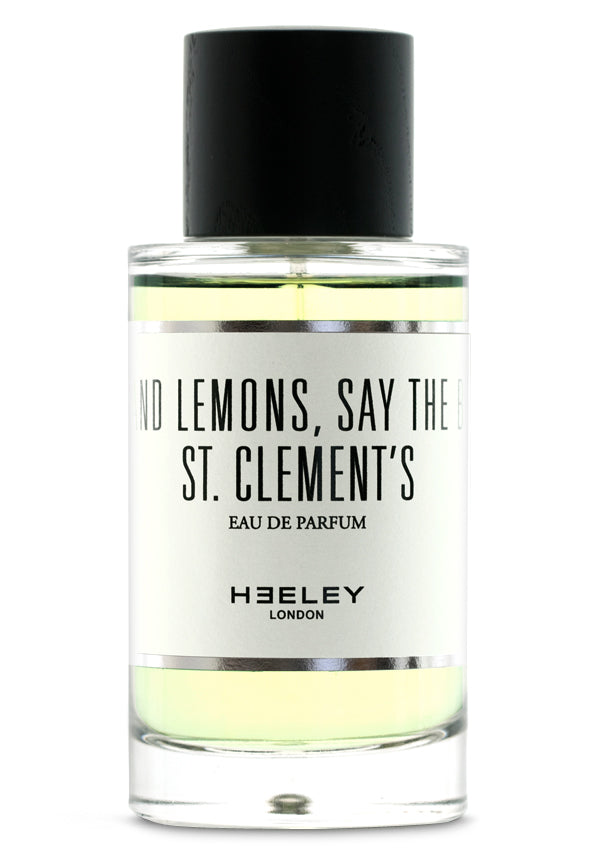
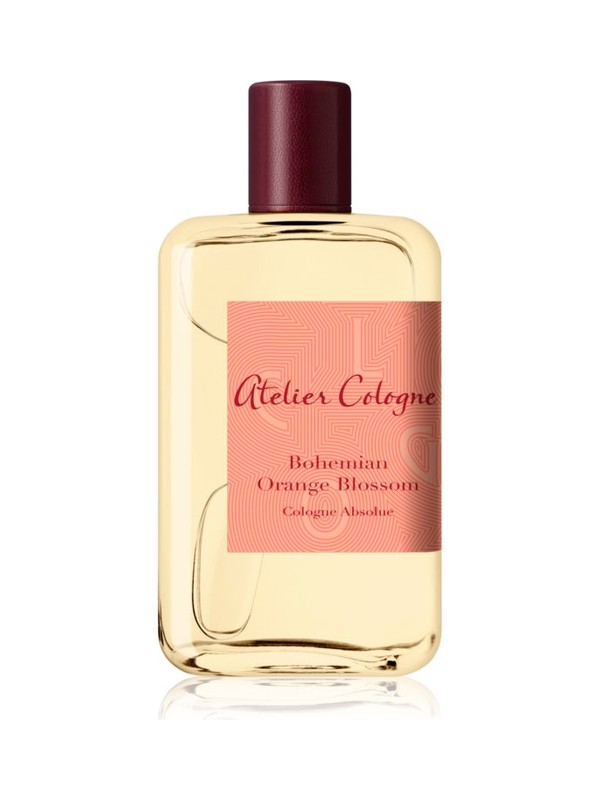
The fragrances that wear it best.
The Story
Orange in perfumery.
Orange, with its vibrant, sunlit essence, is not just a fruit but a gateway to a world of olfactory possibilities. Its scent ranges from the bright, almost sharp tang of its peel to the sweet, floral notes of its blossoms. Originating in China and Southeast Asia, orange has journeyed across continents, becoming a staple in perfumery for its ability to bridge the gap between freshness and warmth.
In compositions, orange often occupies the heart or top notes, providing an initial burst of energy that can quickly mellow into something more comforting as it melds with other ingredients. Its most common companions include bergamot, musk, jasmine, sandalwood, amber, and patchouli — each interaction brings out a different facet of its character, from the sparkling freshness to the enveloping warmth.
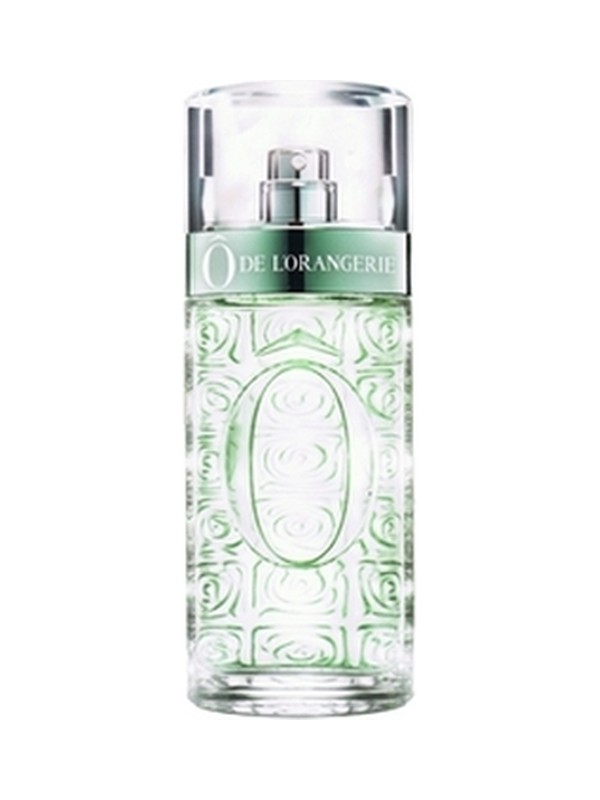
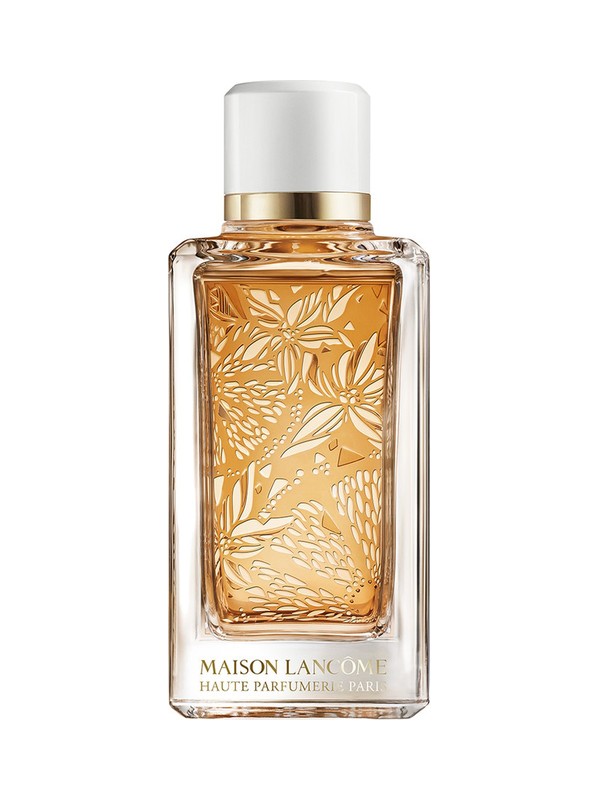
Today, orange can be found in a range of notable fragrances that showcase its versatility. Hermès' Eau d'Orange Verte (1979) exemplifies its crisp, green side, while Lancôme's O de L'Orangerie (2011) and Oranges Bigarades (2018) highlight the fruit’s sweeter, more complex dimensions. These fragrances illustrate a trend towards capturing the full spectrum of orange's olfactory potential.