Notes Atlas/Ylang Ylang
Woody · 1,907 fragrances
Ylang Ylang.
1,907
Fragrances
1900
Earliest use in catalog
heart
Typical position · 81%
Woody
Reads as
In the heart of tropical gardens, ylang ylang unfurls its richly sweet petals, a scent that perfumers have woven into over a thousand compositions, making it an essential in modern olfactory landscapes.
Profile
What it reads as.
Share of ylang ylang-bearing fragrances carrying each accord.
Where to wear it
The fragrances that wear it best.
The Story
Ylang Ylang in perfumery.
Ylang ylang, with its heady, honeyed aroma and delicate yellow flowers, originates from the tropical forests of Southeast Asia. Its fragrance is both lush and slightly exotic, embodying the essence of sun-drenched islands and warm breezes. The scent can be described as a blend of jasmine and rose, yet it carries its own distinctive character that perfumers cherish.
In compositions, ylang ylang often occupies the heart note position, providing depth and warmth to fragrances. It is frequently paired with other floral notes like jasmine and rose, musk for an added sensuality, and woody accords such as sandalwood to ground its sweetness. This versatile ingredient can transform a fragrance from fresh and light to richly complex.
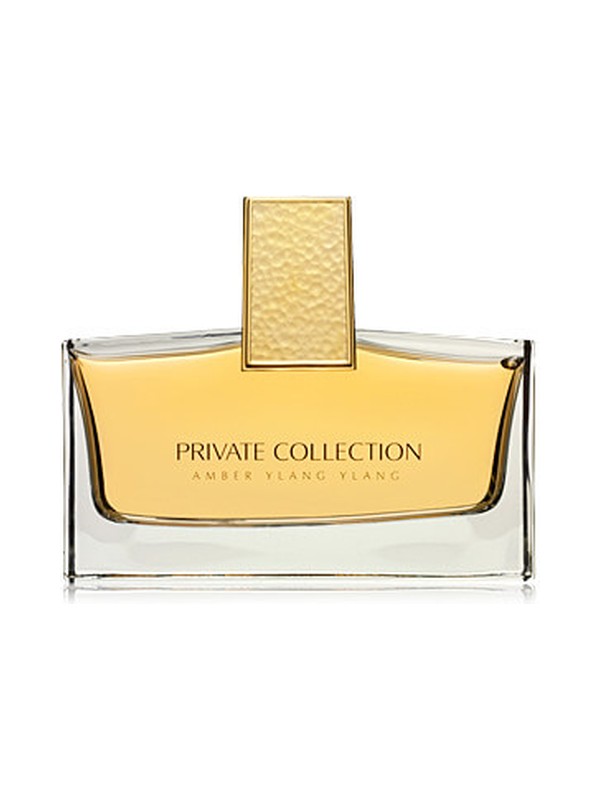
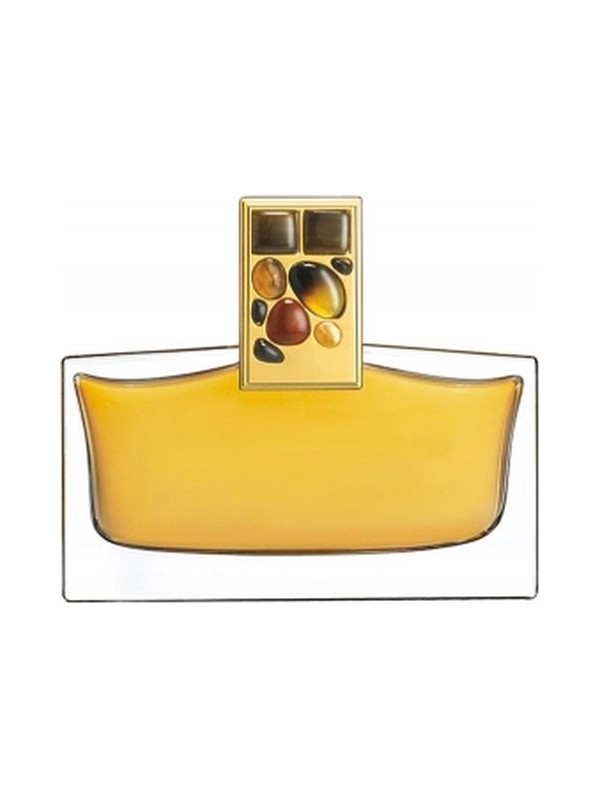
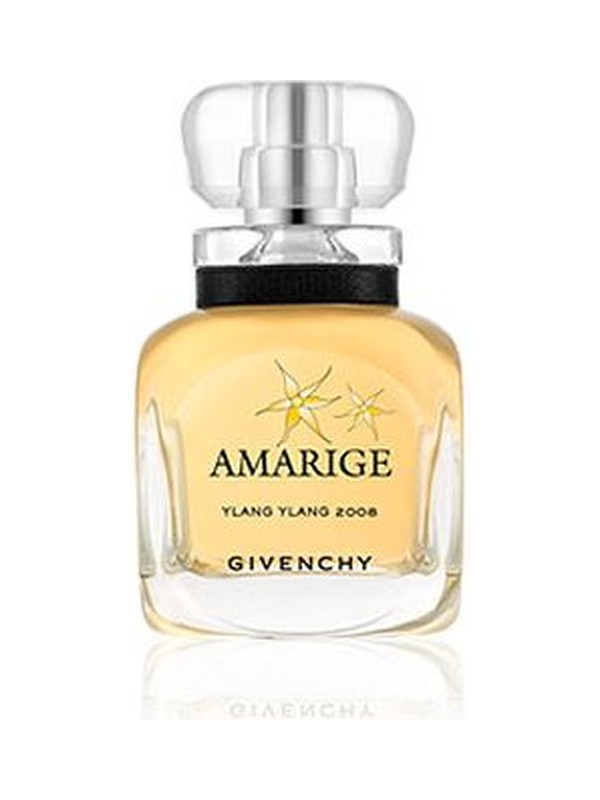
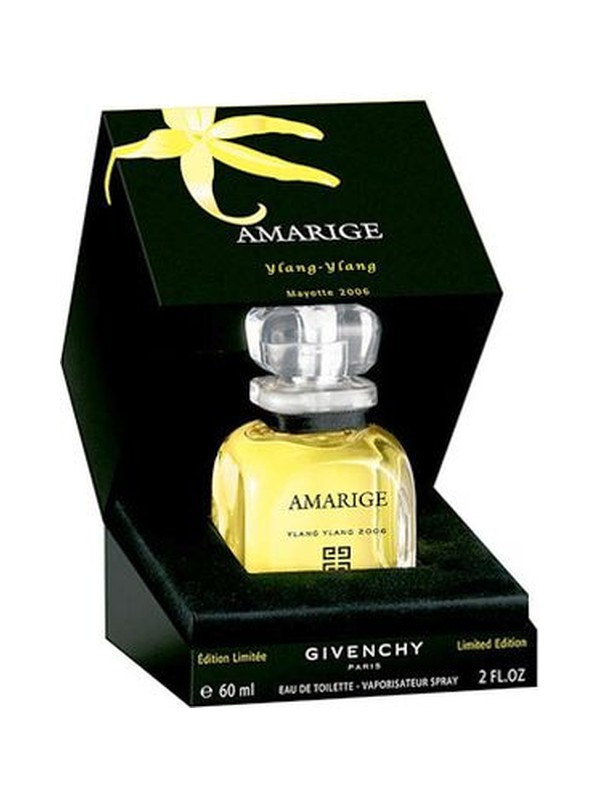
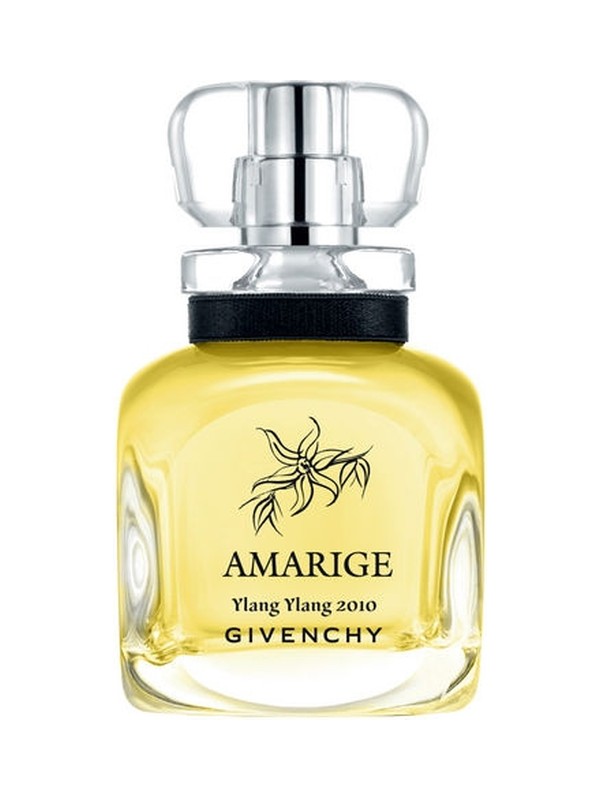
Today, ylang ylang continues to be celebrated in notable fragrances such as Estee Lauder's Private Collection Amber Ylang Ylang and Givenchy's Amarige Ylang Ylang de Mayotte 2006. These compositions highlight the note’s ability to create a powdery, woody backdrop that is both inviting and sophisticated.