Notes Atlas/Rhubarb
Aromatic · 243 fragrances
Rhubarb.
243
Fragrances
1971
Earliest use in catalog
top
Typical position · 71%
Aromatic
Reads as
Bringing a tart, vibrant freshness to the aromatic palette, rhubarb has become an indispensable note in modern perfumery, adding unexpected depth and zing to compositions.
Profile
What it reads as.
Share of rhubarb-bearing fragrances carrying each accord.
Where to wear it
The fragrances that wear it best.
The Story
Rhubarb in perfumery.
Rhubarb, with its sharp, greenish-berry aroma that hints at citrus and floral notes, is derived from the leaf stalks of a plant native to Asia. Its distinctive tartness and subtle sweetness make it a versatile ingredient in perfumery, capable of evoking both freshness and warmth.
In compositions, rhubarb often sits prominently in the top or middle notes, providing an initial burst of energy that can transition smoothly into more complex layers. Perfumers frequently pair it with musk for depth, bergamot for brightness, patchouli for earthiness, sandalwood for warmth, cedar for woodsy tones, and vanilla to soften its edges.
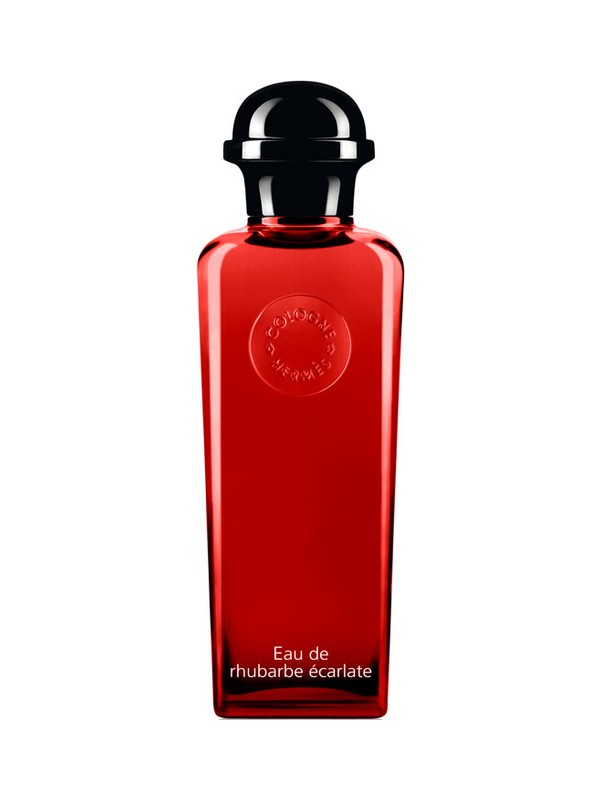
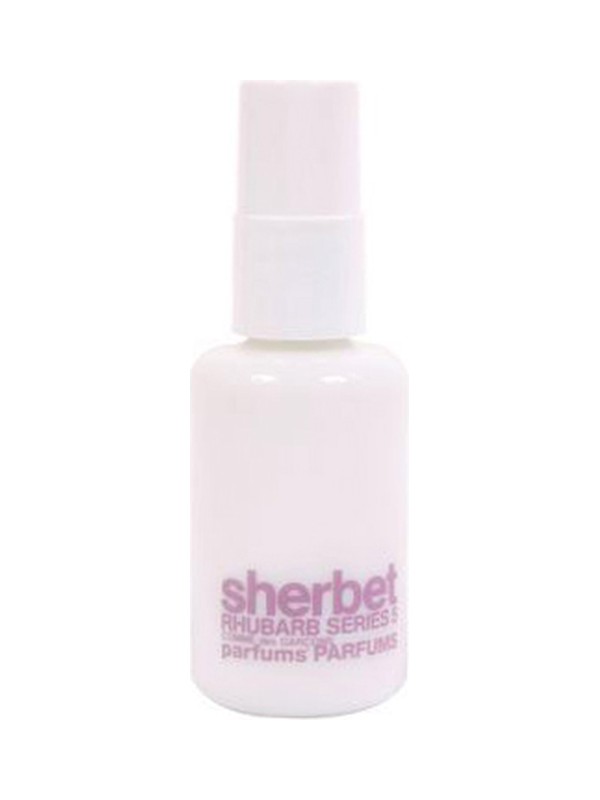
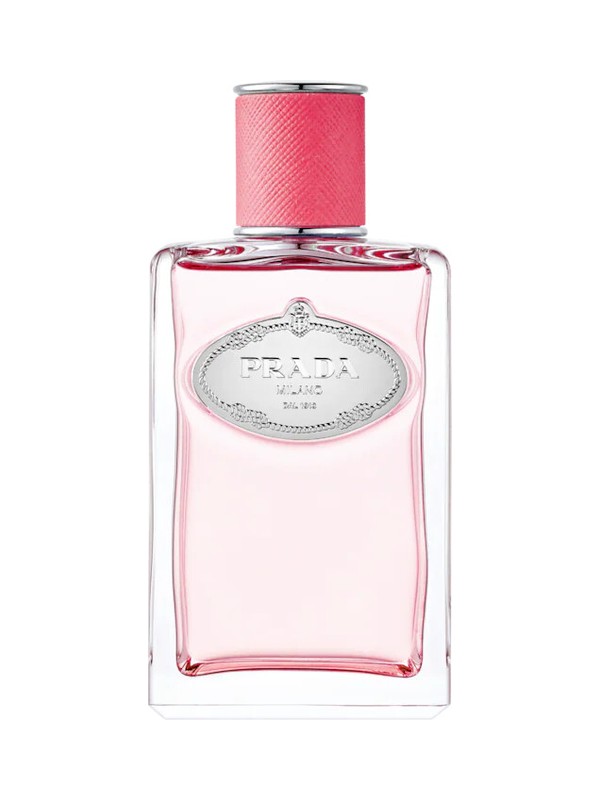
Today, rhubarb's presence is felt in notable fragrances such as Hermes' Eau de Rhubarbe Écarlate, Comme des Garcons Series 5 Sherbet: Rhubarb, and Prada's Infusion de Rhubarbe. These compositions highlight the note's ability to create a balanced yet dynamic olfactory experience, blending well with both aromatic and fruity accords.