 Betty BusseThe nose · 5 fragrances · also made Estee Extrait (1968)Portrait →
Will you like it? Mark a few fragrances you own or love and we'll tell you.
Nina Ricci · Sold as feminine
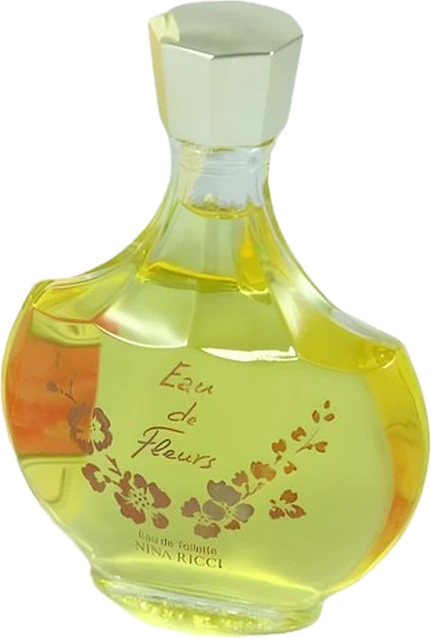
Eau de Fleurs
The quiet confidence of an afternoon spent in a sun-drenched conservatory, where the delicate scent of flowers fills the air and time seems to slow down.
Full bottle: Mid-range tier, typically $40–100. Links open each seller's own page. We may earn a commission; it never changes the order.
Eau de FleursMid-range · $40–100How it wears
From community votes · bars are each option's shareComposition & Character
Main Accords
When to Wear
Who Wears It
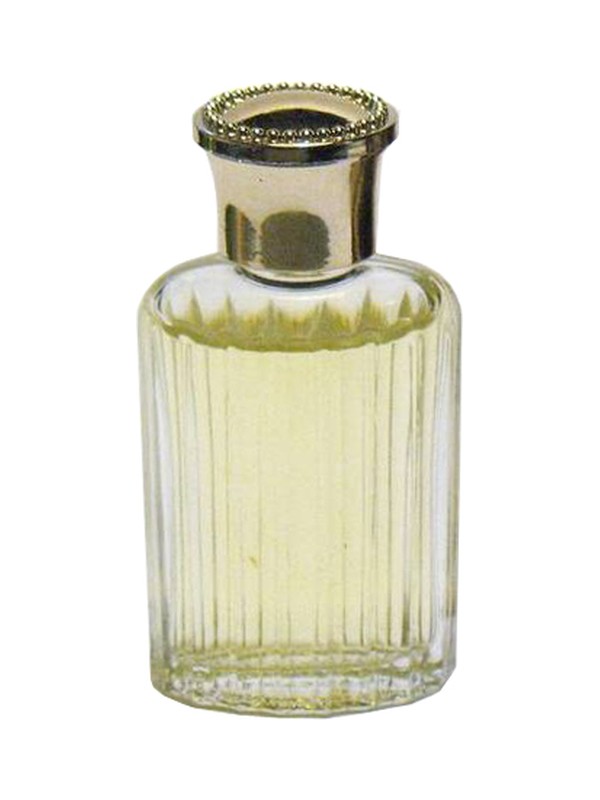
The story behind the bottle.
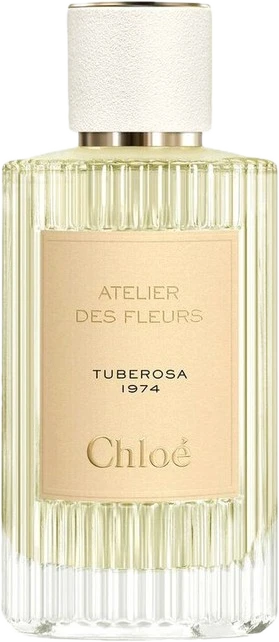
Launched in 1974 by Nina Ricci, Eau de Fleurs is a fragrance that captures the essence of floral elegance. Created by perfumer Betty Busse, it opens with a bright burst of bergamot and lemon, which soon gives way to a heart of rose, jasmine, and lily-of-the-valley. The base notes of iris and sandalwood provide a grounding warmth, creating a harmonious blend that feels both lasting and fresh.
Eau de Fleurs has moderate longevity and sillage, so aim for two sprays on pulse points. The top notes are bright but evolve quickly into the floral heart, making it best suited for daytime wear when you want a fragrance that evolves gracefully throughout the day.
Fig. 01 — Eau de Fleurs, Nina Ricci
Where to buy.
Wear it for a week first
A decant costs a fraction of a bottle and tells you how it lasts on your skin.
Live prices aren't shown yet. Each link opens that seller's own search; we may earn a commission.
Not sure it's you?
Five questions, about a minute, no account. You get a shortlist that fits how you actually wear fragrance.
Betty Busse
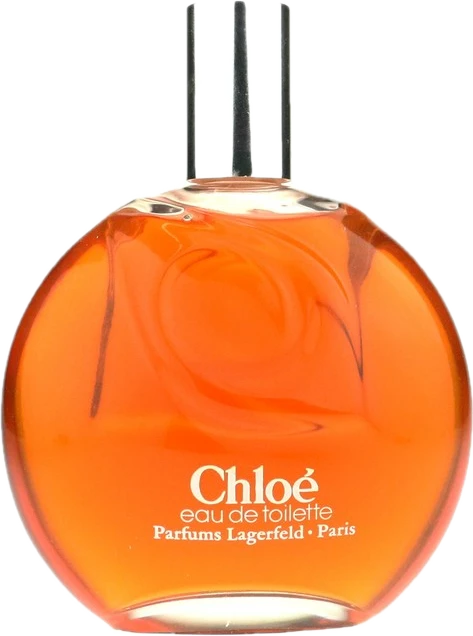
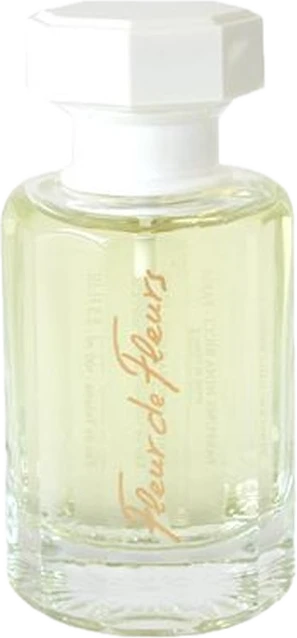
Betty Busse created Karl Lagerfeld's first perfume, Chloé (1975), a bouquet of white florals and woodsy musk, and Nina Ricci's Fleur de Fleurs (1982), a floral aldehyde fragrance.
Designer Nina Ricci
More from the house · founded 1932 · France
You Might Also Like
Chosen from what wearers say it smells like, what its fans also love, and its notes
What people
are saying.
Well loved by wearers: loved by 35%, disliked or hated by 10%.