Notes Atlas/Wisteria
Floral · 53 fragrances
Wisteria.
53
Fragrances
1909
Earliest use in catalog
heart
Typical position · 81%
Floral
Reads as
Wisteria's ethereal, delicate aroma has woven itself into the fabric of perfumery, appearing in over forty fragrances and capturing the essence of springtime.
Profile
What it reads as.
Share of wisteria-bearing fragrances carrying each accord.
Where to wear it
The fragrances that wear it best.
The Story
Wisteria in perfumery.
Wisteria is an elusive floral note that evokes the gentle scent of its namesake vine. Its fragrance is soft yet pervasive, with a sweetness reminiscent of honeysuckle but lighter, more airy. This ephemeral aroma comes from the wisteria flower, found in gardens and parks where it climbs over arbors and pergolas.
In perfumery, wisteria often occupies the top or middle notes, providing an opening that is both fresh and floral. It is most frequently paired with musk for a powdery finish, jasmine to enhance its floral qualities, sandalwood for warmth, bergamot for freshness, vanilla for sweetness, and amber for depth. These pairings create compositions that are predominantly floral but also fresh, sweet, powdery, and woody.
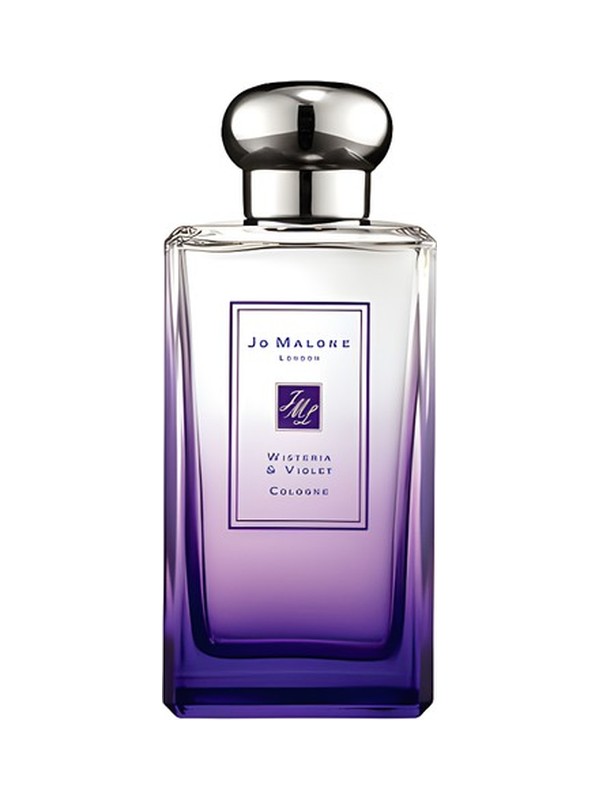
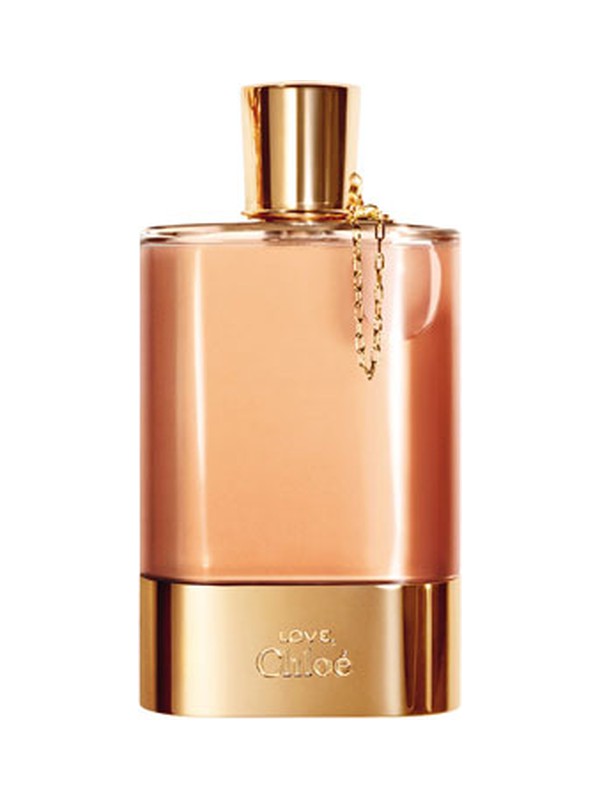
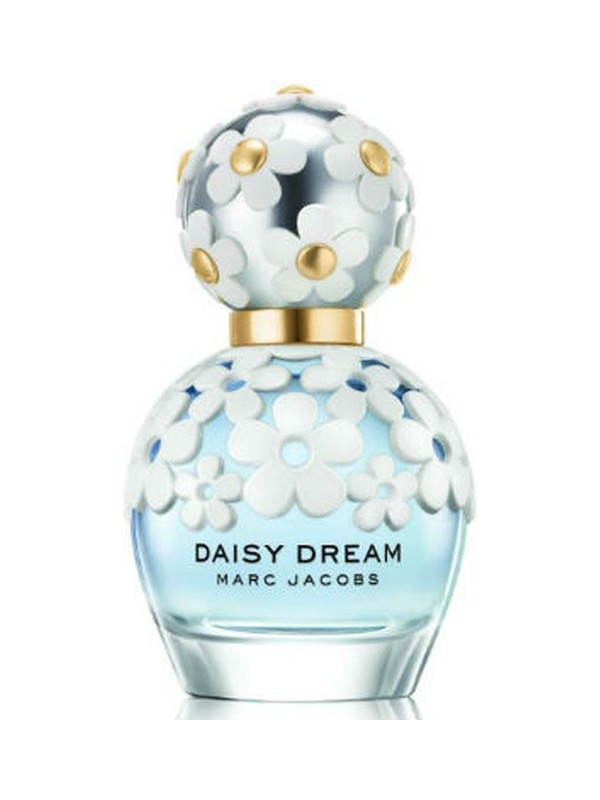
Today, wisteria can be found in notable fragrances such as Jo Malone London's Wisteria & Violet, a scent that captures the essence of spring with its light floral bouquet; Love by Chloe, which combines the note with other florals for an overall romantic effect; and Daisy Dream by Marc Jacobs, where it contributes to a dreamy, youthful fragrance. These scents illustrate wisteria’s versatility in perfumery, from delicate femininity to more playful interpretations.